The global electronics industry is bracing for a prolonged supply crunch as the Global Electronics Association warns that the shortage of printed circuit boards (PCBs) is unlikely to see meaningful relief before mid-2028. Demand is currently outstripping supply at a rapid clip, with PCB bookings surging 56.1% year-over-year through September, while shipments grew by a more modest 13.3% during the same period.
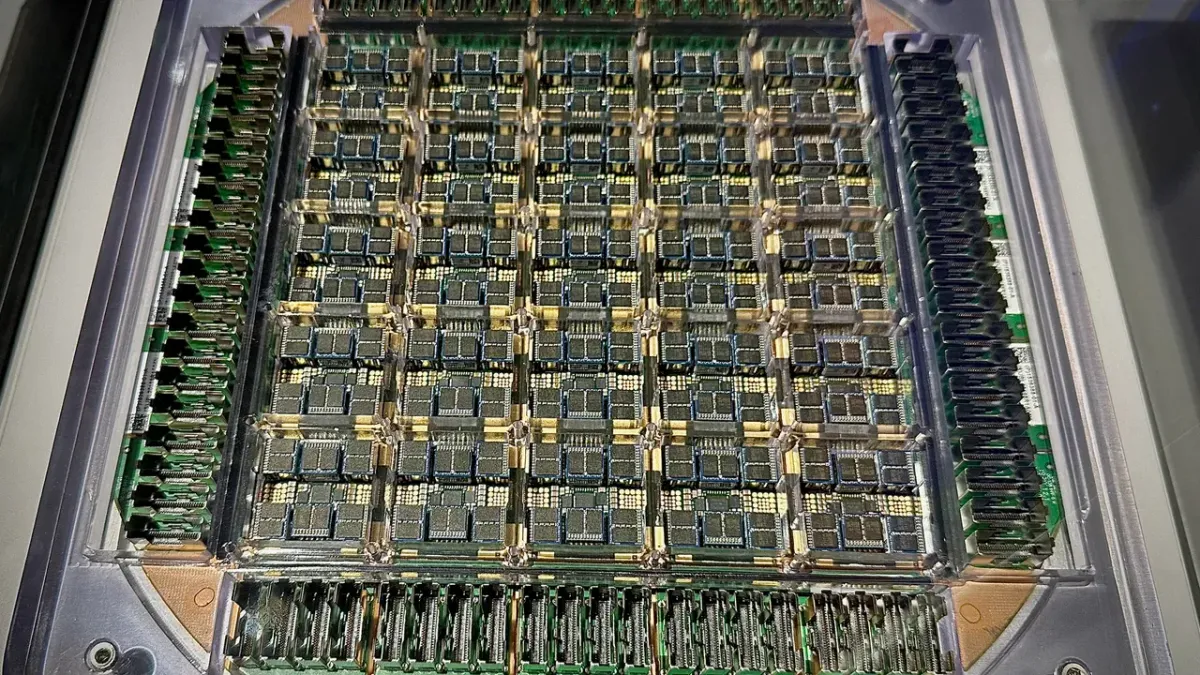
This widening gap is most visible in the lead times for high-layer boards, which have now stretched to 16 to 20 weeks or more. The bottleneck is driven largely by the complexity of modern hardware; while a typical PCB consists of roughly 12 layers, the boards required for AI servers are ballooning to 40–60 layers or more. Each additional layer multiplies the demand for critical raw materials, including glass fabric, resin, copper foil, and laminate.
The AI-Driven Shift in Manufacturing
The market is undergoing a structural shift toward high-end components. Market research firm Yole projects that boards with 18 layers or more will see an annual growth rate of 15.7% through 2031, dwarfing the 2.3% growth expected for standard 4–6 layer boards. While AI-grade boards and materials currently represent about 30% of the market, they are expected to account for more than half of the entire PCB industry by 2031.
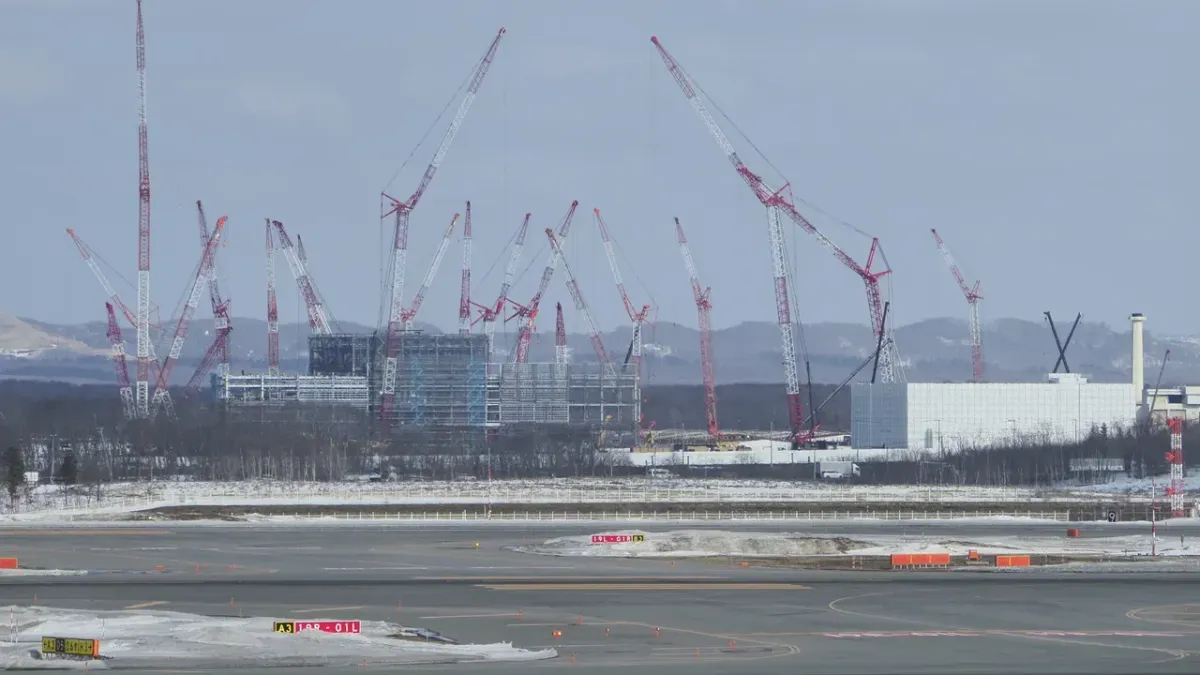
Manufacturers are responding with massive capital expenditures, though the fruits of these investments remain years away. Over the last three years, at least $10 billion has been poured into new PCB plants in Southeast Asia, with another $10 billion invested in China. Key players are already planting flags in new regions: Doosan is building a copper-clad laminate base in Thailand, and Ventec recently opened its first Southeast Asian facility there. Meanwhile, Panasonic Industry is committing 92 billion yen to AI-related capacity.
Raw Material Bottlenecks Persist
Despite the surge in factory construction, the supply chain remains fragile at the foundational level. Glass fabric production is currently concentrated among only a few manufacturers worldwide, and significant improvements in its availability are not anticipated before 2028. Other critical components face similar timelines; for instance, Mitsui Kinzoku’s new copper foil plant in Malaysia is not expected to begin production until April 2031. For an industry hungry for AI infrastructure, these long-term construction and material constraints suggest that the current squeeze is far from over.